
- 04/30/2026
- Publicado por: Administrador Terras de Vermoim
- Categoria: Sem categoria
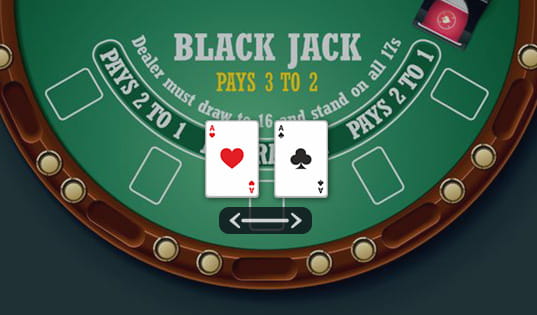
Table of Contents
The Modern Evolution Of Casino Classics
The Digital Room: New Energy For Old Games
Interface As An Art Form
A More Immersive Experience
Bonuses, Registration, And Player Comfort
Conclusion
FAQ
The Modern Evolution Of Casino Classics
The world of table games has always found itself at a strange crossroads: between elegance and luck, strategy and chance. Over the past decade, online casinos have learned to give the old favorites a new skin. Maybe it started as a technical shift, yet now it feels like art. Walking into any modern virtual gaming lobby, you’ll quickly realize that even the most traditional forms of blackjack or roulette have been shaped by contemporary design principles and digital features. Platforms like Nine casino reflect that change well, giving players something that looks refined, runs fast, and still feels familiar enough to trust.
What’s interesting is how developers have managed to carry forward the spirit of these classic games. They’ve managed not only to retain the original emotion of physical tables but also to translate it into the digital language of visuals, gestures, and sound cues. Imagine the clean geometry of a blackjack table in high definition, where chips glow slightly under virtual light and dealers shift motion with realistic hand animations. Perhaps these tiny elements aren’t crucial for gameplay itself, yet they set a different tone entirely. It reminds me a bit of how a luxury watch merges mechanics and aesthetics.
The Digital Room: New Energy For Old Games
There’s something fascinating about how a pure tradition like roulette turns luminous once reimagined through pixels and motion effects. When you first open a digital room, there’s no clinking glass or soft chatter of a crowd, but the sensation of entry is still there. The developers have very subtly reconstructed the architecture of atmosphere. The spin button is no longer just a click; it has a tactile response, visual shimmer, even a slight vibration when played on the phone.

The digital format lets creativity flow where walls used to stand firm. For instance, blackjack can now exist in several artistic variations. Some versions play like sleek minimalistic experiences where colors shift subtly after every win. Others mimic retro lounges, complete with leather-textured backgrounds and glowing dice along the edges. Just like the hybrid space between tradition and innovation, table games have discovered their own sweet middle. They are old souls in new jackets.
Interface As An Art Form
One might not immediately think of “interface design” as art, but in online casinos it’s become exactly that. The interface speaks first to a player before the actual cards do. You might hover across a roulette table, guided by glowing outlines or voice hints, something that feels both intuitive and slick at once. And this visual dialogue can sometimes make all the difference.
Shape And Motion
Developers are getting bolder. In many new-format tables, animation fills the gap where emotion used to live. A ball bouncing across digital red and black pockets gives the same brief suspense as its real-world version, perhaps even more so because of added zooms and dynamic camera movements. You sense energy through rhythm. One might think it’s all show, but the human brain processes motion as authenticity. And maybe that’s why people stay longer on visually polished tables.
Colors And Mood
Color design, often overlooked, is a vital layer of the overall casino UX. Gentle contrasts avoid eye strain, while darker tones preserve that nocturnal sense of privacy gamblers know so well. The layouts have become more cinematic, like a subtle movie scene. You notice the warm whites around betting chips or the faint gradients under a virtual deck of cards. Even the animations of dealers nodding or sliding cards have a sense of polish, one that almost replaces conversation with aesthetics.
This small note box is an infobox — a quiet reminder that casino innovation isn’t only about speed or function, it’s about emotion layered in design, subtlety at play in color and curve.
A More Immersive Experience
Immersion has long been the ultimate goal, but digital transformation has redefined its meaning. Once, immersion meant you were sitting across from a real person. Now, it can mean getting lost inside a thoughtfully coded environment. In some live dealer rooms, a kind of ambient murmur exists to reproduce that sense of depth. In others, augmented overlays show bet history, winning patterns, or—my favorite—dynamic odds that ripple across the table the moment cards flip.
Sound And Sensation
Good sound design is that invisible magic that makes digital gaming believable. Subtle clicks, shuffle rustles, short musical cues create rhythm. They make play both tangible and hypnotic. Interestingly, the platforms that invest in sound often achieve better player engagement. There’s something satisfying when you hear the virtual dealer’s voice deliver a warm, steady “place your bets.” Even simple variations in tone make you trust the environment more.
Mobile Magic
If you ask me, where casino design really shows genius now, it’s on mobile. Handling a game via touch gestures adds that layer of intimacy nothing else can replicate. A tap feels more human than a click. And while smaller screens could easily limit realism, creative use of layering and responsive design keeps it elegant. Today, one can slide between virtual poker hands and roulette spins smoothly, as if flipping pages in an illustrated story.
Bonuses, Registration, And Player Comfort
None of these visual reinventions could stand on their own without solid structural support. Smooth onboarding, fast payments, and flexible rewards are the skeleton underneath the design. Registration in most reimagined platforms has been condensed into a minute or two, with clean screens guiding players naturally. Deposits and withdrawals finally look less like bureaucracy and more like quick micro-interactions, much closer to a modern app than a banking interface.
And bonuses, let’s face it, they drive curiosity just as much as aesthetics do. Designers know it. The flow of bonus claiming has been wrapped beautifully into the look of the platform. Some sites feature graphic “journeys” where every wager earns a pixel-badge or unlocks a new interface motif. It’s still the same logic of player retention, only reimagined into a more delightful language. You end up feeling rewarded both visually and financially, and that combination works better than raw numbers.
Trust Built Through Transparency
The more modern the casino gets, the more it must communicate trust. Sleek design alone won’t hold users if payments delay or policies look hidden. Many reimagined platforms embrace detailed information overlays, where you can hover for instant details on payout percentages or banking times. It’s like having a transparent manual without losing atmosphere. This tiny improvement makes players more comfortable, a digital echo of that old-fashioned handshake.
Conclusion
Table game classics have been around for centuries, yet technology continues to stretch their meaning. What used to be about felt-covered tables and golden chips now pulses through touch displays and neon-glow graphics. Still, at the heart of all these transformations lies a quiet truth: people play because emotion blends with design. The touch of color, the rhythm of spin, and that whispering sense of anticipation—all shaped digitally but rooted in very human sensations. I suppose that’s the beauty of reimagining tradition; you can shift its face without losing its soul.
FAQ
What are reimagined casino table games?
They’re digital versions of traditional games like blackjack, baccarat, or roulette redesigned with enhanced visuals, responsive controls, and smart systems that imitate the tactile feel of live gambling.
How do bonuses fit into this new design culture?
Bonuses are embedded as part of player journeys, often styled visually to make unlocking them exciting rather than transactional.
Are reimagined games fair and safe?
Most licensed platforms use verified RNGs and audited systems. It’s always wise to choose casinos with clear licensing and visible security measures.
Do new designs change the strategy of these games?
Not exactly. The rules stay the same, but visual feedback often helps players focus or plan better, especially through digital statistics and layout aids.
Can I play these redesigned games on mobile?
Absolutely. Mobile optimization is now a given, with touch and motion-responsive interfaces taking priority.